Dear Friends,
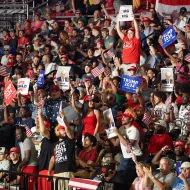
Academics experience seasons differently than most. Our new year begins in late August, when a fresh cohort of students, brimming with question and curiosity, arrive to open each academic year with the feeling that anything and everything is possible. November brings its own season of change and ritual: the long night of watching election returns. It’s a vigil our faculty and students experience both as citizens and as scholars who have spent careers thinking carefully about what those numbers mean. This November’s mid-term election feels especially charged. Recent survey data documents that the share of partisans who say that the other party makes them “angry” climbed by almost 30 percentage points – up to 76%, between 2016 and 2025.
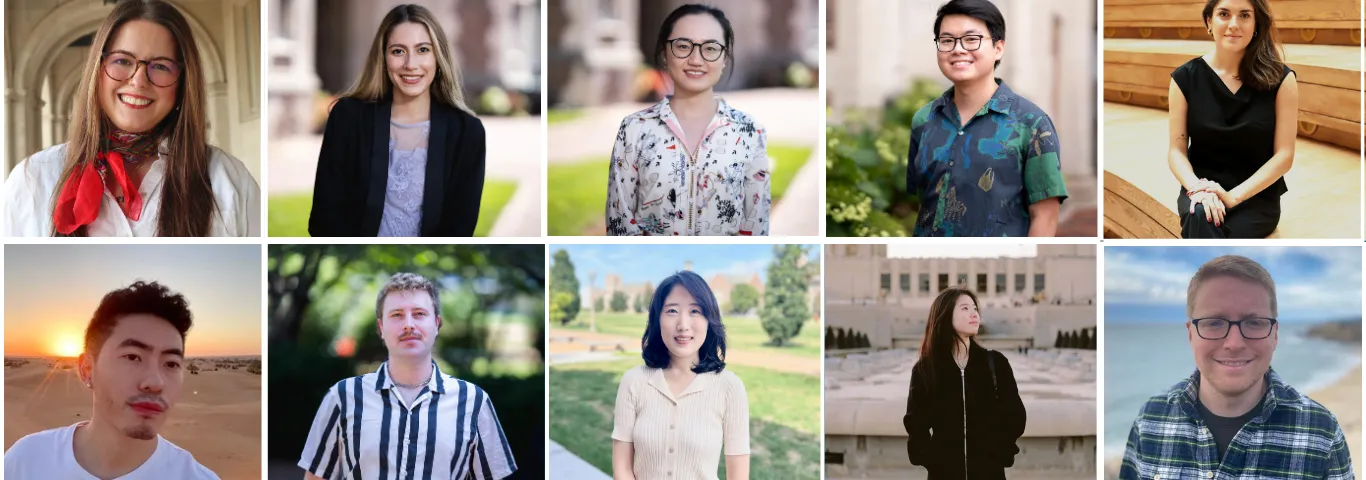
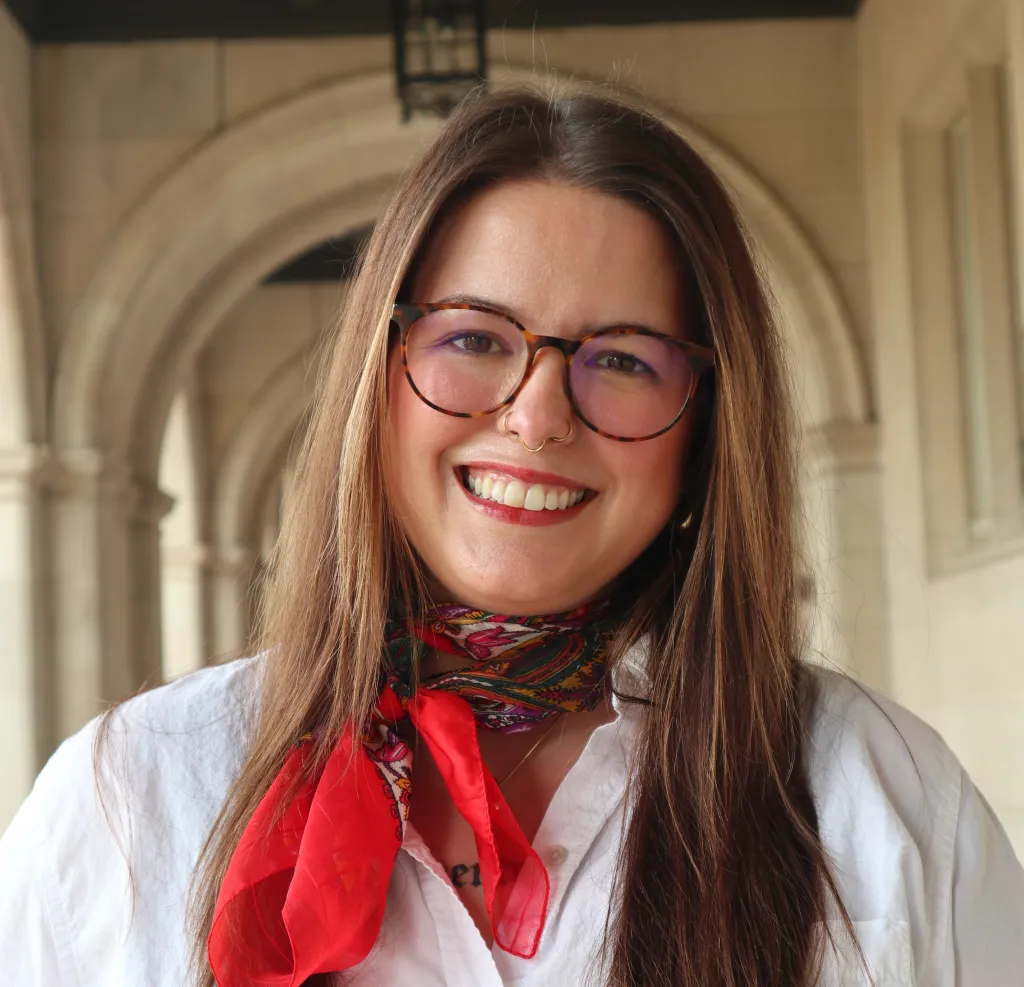
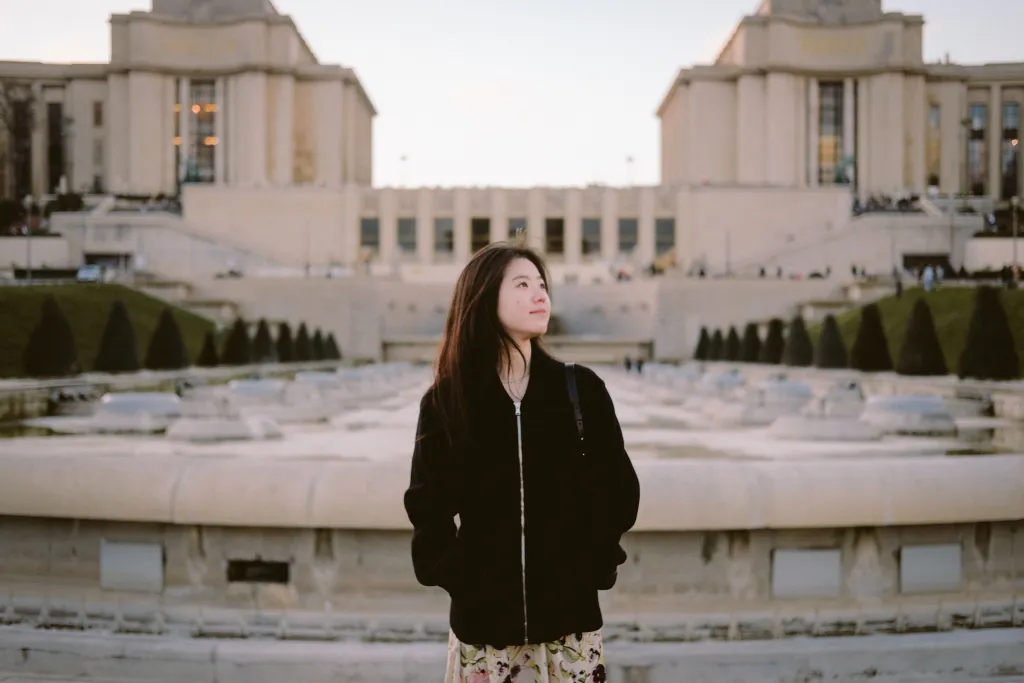
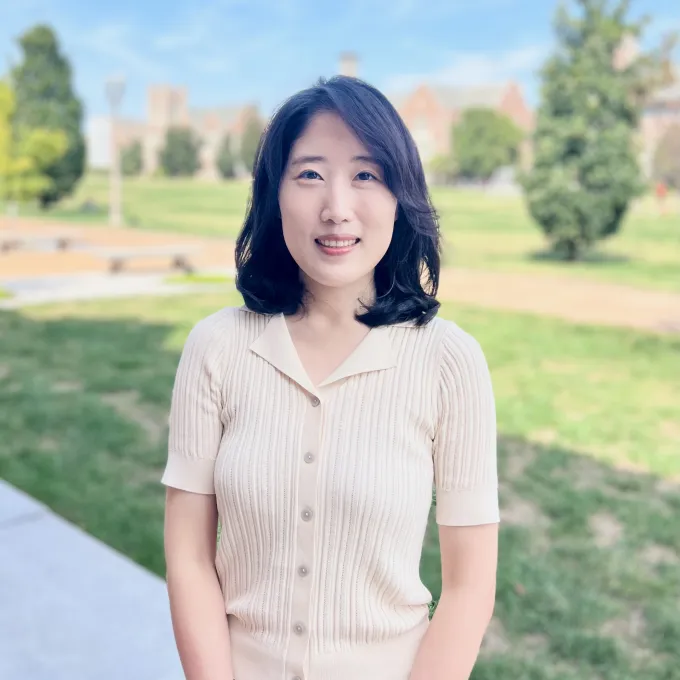
Our PhD students are a part of that work to understand the foundations of that anger in our country and they are in an exciting season as well – job market season. Eight candidates and two postdocs are on the market this fall, working across every subfield, from Alex Avery’s study of how conflict shapes women’s political behavior, to Zion Little’s models of how attention shapes democratic accountability, to Cecilia Sui’s computational work on political communication. What unites them is a commitment to asking questions that are genuinely important to our moment and answering them with rigor by combining deep theoretical engagement with quantitative sophistication. That kind of training is only possible because of the faculty around them, and what a year it has been for that faculty. Taylor Carlson won the APSA Emerging Scholar Award and the AAPOR Book Award. Lucia Motolinia earned two early career awards from MPSA and APSA. Ophelia Vedder won best dissertation prizes from two APSA sections. Amy Pond received a Humboldt Research Fellowship. Michael Strawbridge became the first member of our department to win an Andrew Carnegie Fellowship.
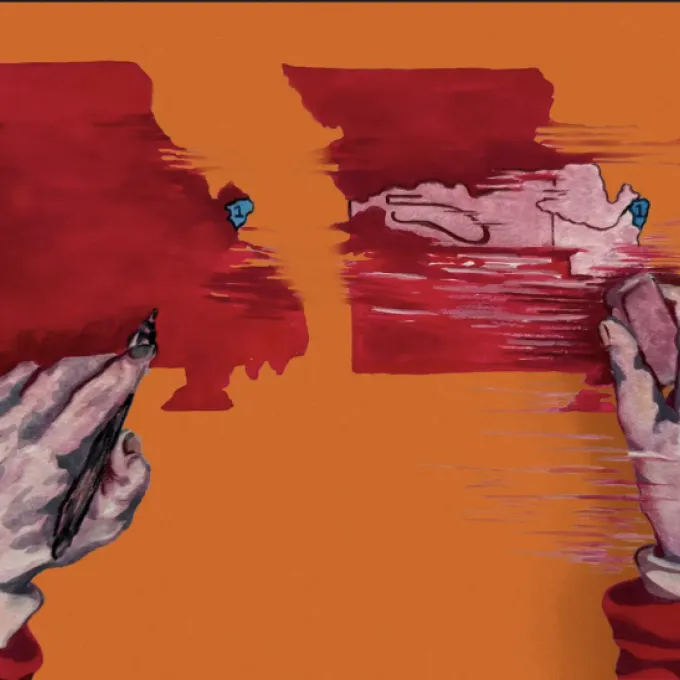
I tell our students that the antidote to anger is action, and our faculty are meeting that charge by responding to the needs of the age in a myriad of ways. In September, Michael Olson organized the American Politics Annual Conference here in St. Louis, bringing together leading scholars to wrestle with questions about political persuasion, racial identity, conspiracy belief, and how citizens engage with the news -- exactly the kinds of questions that feel most urgent right now. Two of our assistant professors, Ophelia Vedder and Peng Peng, held their pre-tenure book conferences. Our faculty are taking their work beyond the academy in tangible ways too. Matt Gabel, working with Andrew Reeves and the Weidenbaum Center, adapted an electoral data dashboard into a Food Pantry Desert Map now being used by St. Louis organizations to identify communities with the greatest unmet need. It is a reminder that the tools we build to understand political life can be turned toward urgent civic problems, and the Weidenbaum Center’s ongoing support makes exactly that kind of work possible.
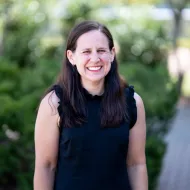
Finally, a personal note: my season as chair is drawing to a close. On January 1, our Associate Chair Clarissa Hayward will become our new department chair. Clarissa brings a deep commitment to our university community and a clear vision for departmental governance. I know she will lead us well, and I look forward to watching what this next season brings.
Onwards!
Betsy Sinclair
Chair, Political Science Department
Thomas F. Eagleton University Professor of Public Affairs and Political Science
Vice Provost of Innovation